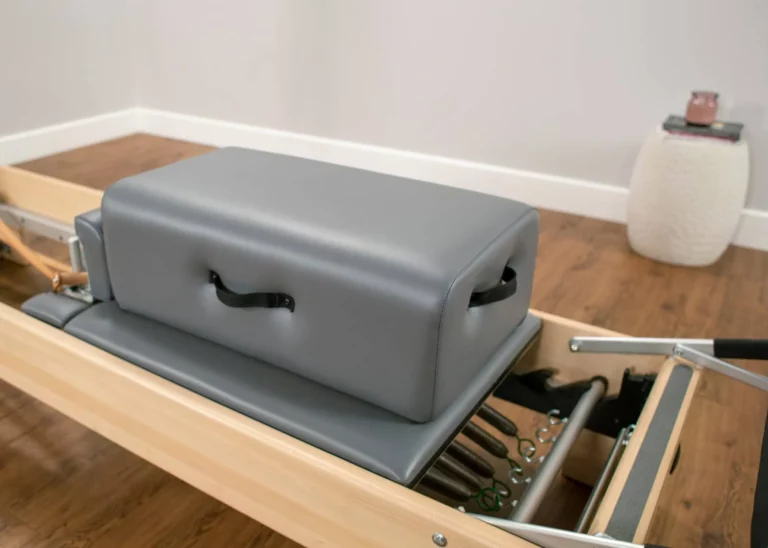
Choosing the right Pilates box for reformer workouts is essential for maximising your practice and achieving your fitness goals. The Pilates box, also known as a jump board or a footbar, can significantly enhance your reformer sessions by adding versatility and challenge to your exercises. With various options available on the market, understanding the key factors to consider when selecting a Pilates box is crucial. This guide aims to provide comprehensive insights into the different types of Pilates boxes, their features, and how to choose the best one for your needs.
Understanding the Types of Pilates Boxes
Before diving into the specifics of choosing a Pilates box, it is important to understand the different types available. Each type serves a unique purpose and can influence your workout experience.
1. Standard Pilates Box
The standard Pilates box is typically rectangular and designed to fit securely onto a reformer. It is used for various exercises, including leg stretches, arm work, and core strengthening. The standard box is often made from wood or high-quality foam, providing a sturdy yet comfortable surface for workouts.
When selecting a standard Pilates box, consider the dimensions and weight capacity. Most standard boxes are designed to accommodate a wide range of body types, but it is essential to ensure that the box you choose can support your weight and provide adequate stability during exercises.
2. Jump Board
A jump board is a type of Pilates box that is specifically designed for plyometric exercises. It is typically wider than a standard box and features a cushioned surface to absorb impact during jumps. Jump boards can enhance cardiovascular fitness and improve muscle tone by incorporating explosive movements into your reformer routine.
When choosing a jump board, consider the level of cushioning and the board’s attachment mechanism to the reformer. A well-designed jump board should allow for easy attachment and detachment while providing a secure surface for jumping exercises.
3. Footbar Box
The footbar box is a versatile piece of equipment that can be used in conjunction with the reformer’s footbar. It provides additional support for various exercises, allowing for greater range of motion and increased stability. This type of box is particularly beneficial for beginners or those with limited flexibility.
When selecting a footbar box, look for adjustable height options to accommodate different exercises and body types. A sturdy construction is also essential to ensure safety and stability during workouts.
Key Features to Consider
Once you have a clear understanding of the different types of Pilates boxes, it is essential to consider several key features that can impact your overall experience.
1. Material Quality
The material used in the construction of a Pilates box can significantly affect its durability and performance. Look for boxes made from high-quality wood or reinforced foam that can withstand regular use. A well-constructed box will not only last longer but also provide a safer workout environment.
Additionally, consider the finish of the material. Smooth surfaces are essential to prevent injuries and ensure comfort during exercises. A box with a non-slip surface can also enhance stability, particularly during dynamic movements.
2. Size and Weight
The size and weight of the Pilates box are crucial factors to consider, especially if you have limited space for storage or need to transport the box to different locations. Standard dimensions typically accommodate most reformers, but it is essential to check compatibility before making a purchase.
Weight is another consideration, particularly if you plan to move the box frequently. A lightweight box can be easier to handle, but ensure that it remains stable during workouts. Some boxes come with built-in handles for added convenience.
3. Versatility and Adjustability
Versatility is a significant advantage when selecting a Pilates box. Look for boxes that can be used for multiple exercises and are compatible with various reformer models. Adjustable features, such as height settings or removable components, can enhance the box’s functionality and allow for a broader range of exercises.
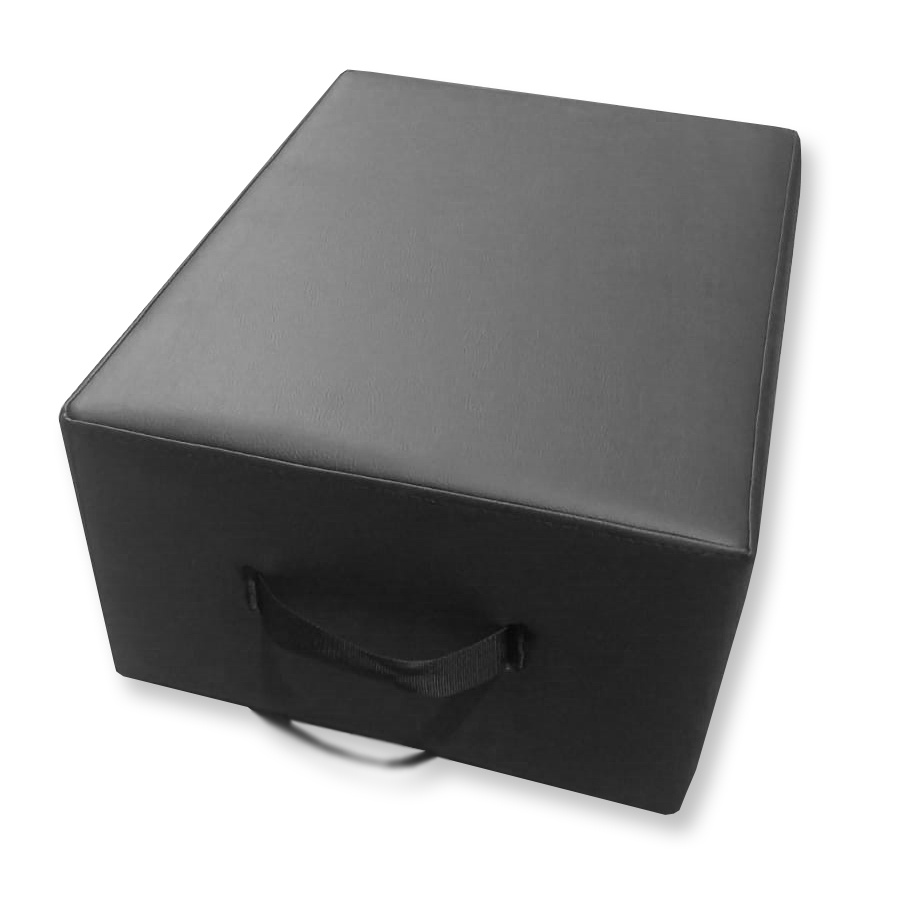
Some advanced Pilates boxes offer additional attachments or accessories, such as resistance bands or straps, which can further expand your workout options. Consider your fitness goals and the types of exercises you wish to incorporate when evaluating versatility.
Assessing Your Fitness Level and Goals
Your fitness level and personal goals play a significant role in determining the right Pilates box for your reformer workouts. Understanding your needs will help you make an informed decision.
1. Beginners
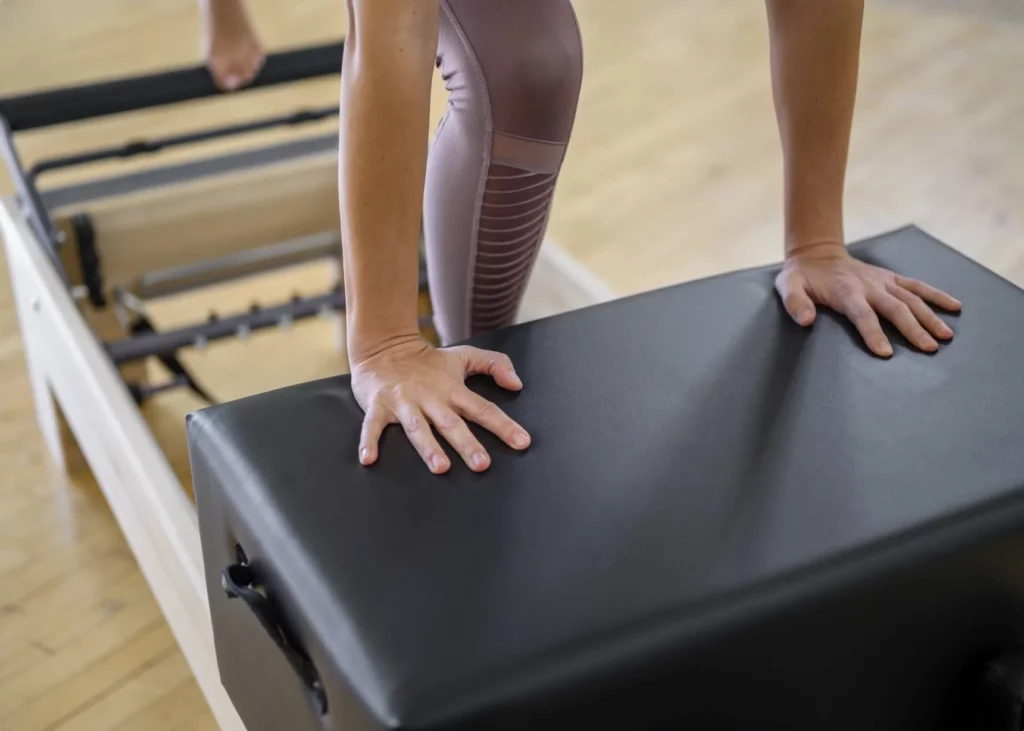
If you are new to Pilates, it is advisable to start with a standard Pilates box or a footbar box. These options provide essential support and stability, allowing you to focus on mastering fundamental movements. Look for boxes with adjustable heights to accommodate your growing skills as you progress.
As a beginner, consider seeking guidance from a qualified Pilates instructor who can help you understand how to use the box effectively and safely. They can also recommend specific exercises tailored to your fitness level.
2. Intermediate to Advanced Practitioners
For those with a solid foundation in Pilates, a jump board or a more versatile standard box may be more suitable. These options allow for greater challenge and can help you achieve specific fitness goals, such as increased strength or improved cardiovascular fitness.
As you advance, consider exploring different types of workouts, such as high-intensity interval training (HIIT) or plyometric exercises. A jump board can be particularly beneficial for incorporating these dynamic movements into your routine.
Budget Considerations
Budget is an important factor when selecting a Pilates box, as prices can vary significantly based on brand, material, and features. It is essential to find a balance between quality and affordability.
1. Entry-Level Options
If you are on a tight budget, there are several entry-level Pilates boxes available that offer decent quality without breaking the bank. Look for reputable brands that provide warranties or guarantees, as this can be an indicator of the product’s durability and performance.
Consider purchasing second-hand equipment from reputable sources, as this can often yield high-quality boxes at a fraction of the retail price. Ensure that the box is in good condition and meets safety standards before making a purchase.
2. Premium Options
For those willing to invest in a high-quality Pilates box, premium options are available that offer advanced features and superior materials. These boxes often come with additional accessories or attachments that can enhance your workout experience.
When investing in a premium box, consider the long-term benefits. A well-constructed box can last for years and provide a safer, more effective workout environment. Look for brands with positive reviews and a strong reputation in the Pilates community.
Conclusion
Choosing the right Pilates box for reformer workouts is a crucial step in enhancing your fitness journey. By understanding the different types of boxes available, assessing key features, and considering your fitness level and budget, you can make an informed decision that aligns with your goals. Investing in a quality Pilates box can significantly improve your workout experience, allowing you to explore new exercises and achieve better results.
Whether you are a beginner or an advanced practitioner, the right Pilates box can provide the support and versatility needed to elevate your reformer workouts. Take the time to research and evaluate your options, and you will be well on your way to a more fulfilling Pilates practice.
See Also: Buy Pilates Sitting Box: what to look for in size, padding, and fit.